
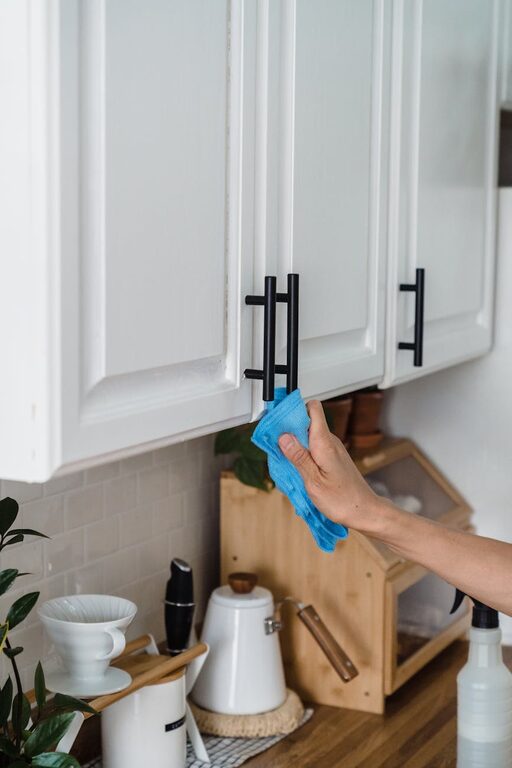
Keeping up with household chores can sometimes feel overwhelming, but with the right approach, they can become easier to handle and less stressful. Whether you live alone, with roommates, or a family, creating manageable routines can free up time and reduce chores-related frustration. In this post, we’ll explore practical ways to make chores more manageable, helping you maintain a clean, organized home with less effort.
Why Making Chores Manageable Matters
Chores are part of everyday life, but when they pile up, they can cause stress and create a messy environment. Managing chores effectively can improve your living space and mental well-being by:
– Reducing stress and overwhelm.
– Saving time with better organization.
– Encouraging consistent cleanliness.
– Creating a sense of accomplishment.
Let’s dive into actionable tips that can help you keep chores under control.
1. Create a Chore Schedule
One of the best ways to manage chores is by planning them out. A schedule breaks down big tasks into smaller, regular actions, making them less daunting.
How to build an effective schedule:
– List all chores: Write down everything that needs to be done—daily, weekly, and monthly.
– Prioritize: Figure out which chores require frequent attention (e.g., dishwashing) and which can be less regular (e.g., deep cleaning the oven).
– Assign days: Allocate specific chores to specific days. For example, laundry on Tuesdays, vacuuming on Saturdays.
– Be realistic: Don’t overload any single day. Spread chores evenly to prevent burnout.
– Use reminders: Set phone alerts or use apps to keep you on track.
A schedule helps build routine and keeps your home consistently tidy without last-minute rushes.
2. Break Tasks Into Smaller Steps
Large chores can feel overwhelming when viewed as a single project. Breaking them down into smaller, focused steps can make them easier to tackle.
Examples:
– Instead of “clean the kitchen,” try these steps:
– Wipe countertops.
– Wash dishes.
– Sweep the floor.
– Take out the trash.
– For laundry:
– Sort clothes.
– Run the washer.
– Transfer to dryer.
– Fold and put clothes away.
Completing these smaller steps provides a sense of progress and reduces procrastination.
3. Involve the Whole Household
Chores don’t have to be a solo effort. Sharing responsibilities helps reduce the load and builds teamwork.
Tips for involving others:
– Assign tasks by age and ability: Children can help with age-appropriate tasks like tidying toys or setting the table.
– Create a chore chart: Visual charts can motivate everyone by clearly showing who is responsible for what.
– Rotate tasks: Keep things fair and avoid boredom by rotating chores regularly.
– Work together: Make cleaning sessions social; play music, set a timer, and race to finish certain tasks.
Teamwork can make chores feel less like a burden and more like a shared activity.
4. Use the Right Tools and Supplies
Having the proper cleaning supplies and tools on hand makes chores quicker and easier.
Consider:
– Multi-purpose cleaners: Reduce clutter with products that work on multiple surfaces.
– Quality tools: Invest in reliable brooms, vacuum cleaners, microfiber cloths, and mop systems.
– Organized storage: Keep cleaning supplies in accessible spots for convenience.
– Timers: Use kitchen timers or smartphone alarms to stay focused during chores.
The right equipment helps you clean efficiently and enjoy the process more.
5. Set Time Limits
Sometimes chores stretch out because there is no clear endpoint. Setting a time limit can boost focus and motivation.
How to implement time limits:
– Choose one chore to work on for 15 or 20 minutes.
– Use a timer to keep track.
– Stop when the timer ends, even if the task isn’t 100% complete.
– Return later for a follow-up session if needed.
This method prevents chores from consuming too much time and helps build momentum through short, focused bursts of work.
6. Declutter Regularly
Extra clutter makes cleaning harder and slower. Maintaining a clutter-free environment reduces the amount of chores you need to do.
Tips for decluttering:
– Schedule regular declutter sessions: Monthly or seasonal reviews work well.
– Keep essentials: Store items you use frequently and remove unnecessary extras.
– Use storage solutions: Bins, shelves, and baskets keep things organized.
– Adopt “one in, one out”: For every new item brought in, consider donating or discarding another.
Less clutter leads to easier cleaning and a more calming space.
7. Combine Tasks When Possible
Multitasking can save time if done thoughtfully.
Examples:
– Listen to a podcast or audiobook while folding laundry.
– Wipe kitchen counters during cooking breaks.
– Throw a load of laundry in while tidying up another room.
Combining chores with enjoyable activities can make them feel less tedious.
8. Celebrate Small Wins
Acknowledge your progress to stay motivated.
Suggestions:
– Reward yourself with a break or a treat after finishing chores.
– Keep a checklist to visibly mark completed tasks.
– Share your achievements with family or friends.
Recognizing your efforts turns chores into achievable goals rather than chores into chores.
—
Final Thoughts
Making chores more manageable doesn’t require working harder; it requires working smarter. By creating schedules, breaking tasks down, involving everyone in your household, using the right tools, and managing your time well, chores can become less overwhelming and more routine. Remember to be patient with yourself and adapt these strategies to fit your lifestyle. Over time, you’ll find maintaining your home feels simpler, freeing you up to enjoy the things you love.
Try incorporating these tips today and see how much easier chores can become!