
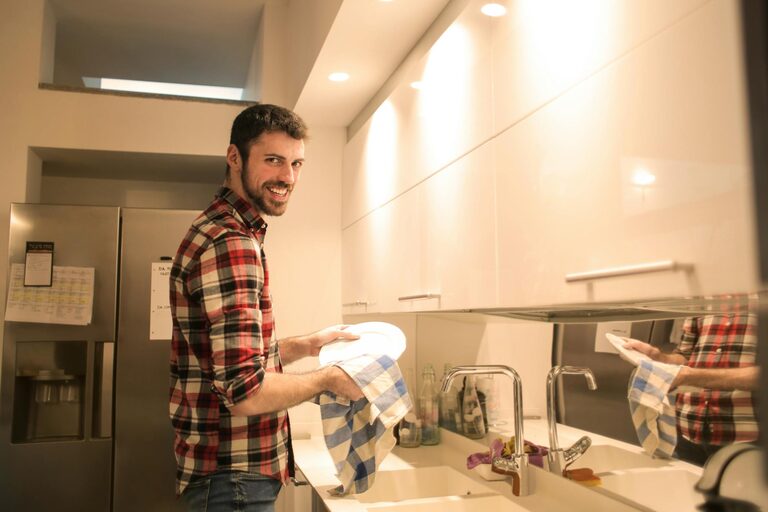
Making dinner is often the enjoyable part of the day, but the cleanup afterward can feel like a daunting chore. Whether you cook every night or just a few times a week, finding ways to make dinner cleanup easier can save you time, reduce stress, and keep your kitchen tidy. In this post, we’ll explore a variety of practical ideas that can help simplify and speed up your cleanup process.
1. Plan Ahead to Minimize Mess
One of the best ways to make cleanup easier is to reduce the amount of mess created in the first place.
Use Fewer Dishes and Utensils
Try to plan meals that use fewer pots, pans, and utensils. For example, sheet pan dinners or one-pot recipes require less washing up. Using the same measuring cup or spoon for different ingredients (rinsing in between if needed) can also cut down on dish use.
Prep Ingredients Mindfully
Prepping ingredients all at once and organizing them before cooking helps avoid spills and cross-contamination. Using separate bowls or containers for chopped vegetables, spices, and sauces keeps the cooking space neat and makes cleanup simpler.
2. Clean as You Go
Waiting until the meal is over to start cleaning means everything piles up and feels overwhelming. Instead, try cleaning as you go.
– Wash cutting boards, knives, and prep bowls while food is cooking or simmering.
– Wipe counters and stove surfaces immediately after spills happen to prevent stains.
– Put used utensils directly into the dishwasher or washing area rather than letting them soak in the sink.
This habit breaks down the cleanup into smaller, manageable tasks and keeps your kitchen organized throughout the cooking process.
3. Use Tools and Products That Help
Certain kitchen tools and products can make cleanup less time-consuming.
Silicone Baking Mats and Nonstick Spray
Instead of aluminum foil, use silicone baking mats on trays to prevent food from sticking. These mats are reusable and easy to clean. Also, using nonstick spray on pans reduces residue buildup.
Dishwasher-Safe Cookware
Whenever possible, use pots, pans, and utensils that are dishwasher safe. This can save you a lot of time scrubbing by hand.
Sturdy Compost and Trash Containers
Having dedicated, easy-to-clean containers for food scraps and trash right at your prep station helps keep waste organized and quick to dispose of after cooking.
4. Designate a Cleanup Zone
Create a specific area in your kitchen dedicated to washing and drying dishes.
– Keep sponges, scrubbers, and dish soap readily accessible.
– Use a drying rack or a clean towel near the sink for air drying.
– Consider setting up a small countertop caddy to hold cleaning supplies.
Having everything you need in one place minimizes the effort of moving around while cleaning and encourages you to tackle dishes promptly.
5. Soak Pots and Pans Immediately
Some foods, like tomato sauce or sticky cheese, can leave stubborn residue on cookware. To avoid hard scrubbing later, fill pots and pans with warm soapy water and let them soak right after dinner. This softens stuck-on food and makes washing much easier.
6. Use Multipurpose Cleaners for Efficiency
Instead of juggling several different cleaning products, choose all-purpose kitchen cleaners that can be used on counters, sinks, stove tops, and more. This reduces clutter and speeds up your cleaning routine.
7. Delegate Tasks When Possible
Cleaning up doesn’t have to be a solo job. Engage family members or roommates by assigning simple tasks like clearing the table, rinsing dishes, or wiping down surfaces. Setting up a regular cleanup routine with shared responsibilities can make a big difference over time.
8. Keep Kitchen Towels and Cloths Handy
Having a few clean kitchen towels or microfiber cloths nearby makes it easy to wipe up spills or dry hands quickly. A designated place for used towels — such as a basket or hook — keeps dirty cloths contained until laundry day.
9. Organize Your Sink for Better Workflow
For those who wash dishes by hand, organizing your sink area can improve efficiency.
– Use a two-basin sink if available: one side for washing and the other for rinsing.
– Place a small bowl or container for scraping food into the trash before washing.
– Arrange brushes and sponges so they drain properly to prevent odor buildup.
10. Keep Countertops Clear After Dinner
Immediately clearing dishes and leftover food from counters after eating prevents clutter from accumulating. Putting things away in their proper place instead of stacking them helps maintain a clean and welcoming kitchen environment.
—
Final Thoughts
Dinner cleanup doesn’t have to be a dreaded task. By planning ahead, cleaning as you cook, using helpful tools, and sharing the effort, you can make the process quicker and easier. Small changes in habits and kitchen organization often lead to big improvements in how you manage post-meal tidying.
Whether you live alone or with family, try incorporating some of these tips to enjoy a cleaner kitchen and more time to relax after dinner. Happy cooking – and happy cleaning!