
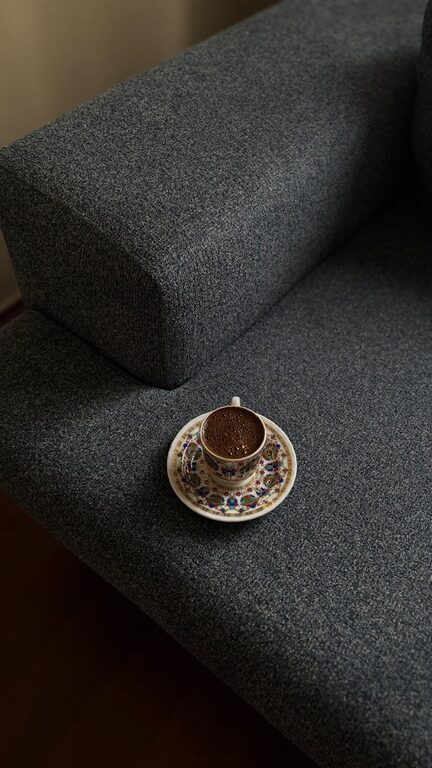
Creating a peaceful and inviting atmosphere at home starts with the colors you choose for your walls and décor. Calm colors have the power to reduce stress, improve focus, and make any room feel more welcoming. But with so many shades and hues available, how do you find the perfect calm colors for your space?
In this post, we’ll guide you through practical tips for choosing calm colors that suit your style and enhance your home’s ambiance.
Why Choose Calm Colors?
Calm colors typically include soft shades like light blues, greens, gentle grays, and muted neutrals. These tones tend to have a relaxing effect on the mind and body. Using them in your home can:
– Promote relaxation and comfort
– Make rooms feel more spacious and airy
– Create a consistent and harmonious look
– Complement a wide range of décor styles
Understanding the benefits of calm colors helps you decide where and how to use them effectively in your home.
Consider the Mood You Want to Create
Before picking a color, think about the feeling you want for each room. Calm colors can set different moods depending on their shade and intensity.
For a Soothing Bedroom
Soft blues and pale greens are perfect for bedrooms. These colors inspire calmness and are often linked to restful sleep.
For a Peaceful Living Room
Warm neutrals like beige, taupe, or light gray create a cozy and inviting environment without overwhelming the senses.
For a Relaxing Bathroom
Subtle aqua or seafoam can evoke a spa-like atmosphere that encourages relaxation and cleansing.
Understand Color Psychology
Color psychology explores how colors affect our emotions. While individual reactions vary, some general guidelines can help:
– Blue: Often associated with tranquility and calm.
– Green: Represents nature and balance.
– Gray: Neutral and soothing when used in softer shades.
– Lavender: Gentle and peaceful, ideal for rest areas.
– Beige and Off-Whites: Warmth and simplicity without distraction.
Keep in mind that very dark or very bright shades might not have a calming effect, even if they belong to these colors.
Test Paint Samples Strategically
Once you narrow down your choices, buy small sample pots and paint patches on your walls. Observe these in different lighting:
– Morning sunlight
– Afternoon light
– Evening artificial light
Colors can appear quite different depending on the time of day and light source. Testing helps ensure your chosen color truly feels calm and pleasant.
Use Color Combinations Wisely
Calm colors don’t have to be monotonous. Mixing related shades can add depth and interest without losing serenity.
Tips for Combining Colors
– Stick to a color palette of 2–3 complementary calm shades.
– Use a primary calm color on large surfaces and accent with slightly darker or lighter tones.
– Include natural materials like wood or linen in neutral colors to complete the look.
Pay Attention to Undertones
Two blues can feel very different—one might be cooler and more refreshing, while another could be warmer and more muted. Pay close attention to undertones:
– Warm undertones: tend to feel cozier.
– Cool undertones: feel fresher and more airy.
Choose undertones that align with your desired room atmosphere.
Balance Calm Colors with Texture and Light
Calm colors work best when paired with textures and lighting that add warmth or interest. Consider incorporating:
– Soft textiles like cushions and rugs
– Natural light or warm light bulbs
– Matte paint finishes to avoid glare and enhance softness
These details help enhance the relaxing effect of calm colors.
Don’t Be Afraid to Personalize
Calm colors are versatile—they provide a peaceful backdrop that can be personalized with art, plants, or décor items you love. Remember, your home should reflect your taste and lifestyle.
Final Thoughts
Choosing calm colors for your home is a rewarding project that can transform your space into a haven of peace. Take your time to explore colors, test them under different lights, and combine shades thoughtfully. With a little planning, your home will become a calm retreat that feels just right for you.
—
By following these simple tips, you can create serene rooms that feel like a breath of fresh air every time you enter. Happy decorating!